
With SharePoint previous versions, the danger is replacing one bad version with another. Treat the task as a comparison job: download likely versions separately, check timestamps and content, then decide whether to merge or restore.
First move: For SharePoint previous versions, download the older version as a separate copy before deciding whether to restore over the current file.
Protect the clues before clicking
Make the machine boring before recovery starts: no cleanup, no bulk restore, no replacement save. Record the last known device, account, folder, and time so the next check has a direction.
The record turns panic into triage. Match the event to the evidence source before opening random results or restoring a folder.
Follow the file from app to cloud to backup
Do not begin with random file-search results. Start with the systems that keep recovery data:
- SharePoint library: file menu >
Version history - SharePoint site recycle bin, then second-stage recycle bin if your role can see it
- Teams: open the channel Files tab, then choose
Open in SharePoint - Download a candidate version before restoring it to the live library
Keep original candidates in place until the case is closed. Work from copies with source labels so a bad open or save does not destroy the trail.
Label each recovery candidate
- Sort candidates by modified time, then by file size.
- Copy each likely file into the holding folder.
- Open copies read-only when the app allows it.
- Compare the first page, the last edited section, and any formulas, comments, or images that matter.
- Restore only after the best copy is clear.
This extra copy step is what keeps a reversible mistake reversible. If one candidate opens badly, you still have the untouched source. If two versions both contain useful work, you can compare instead of choosing blind.
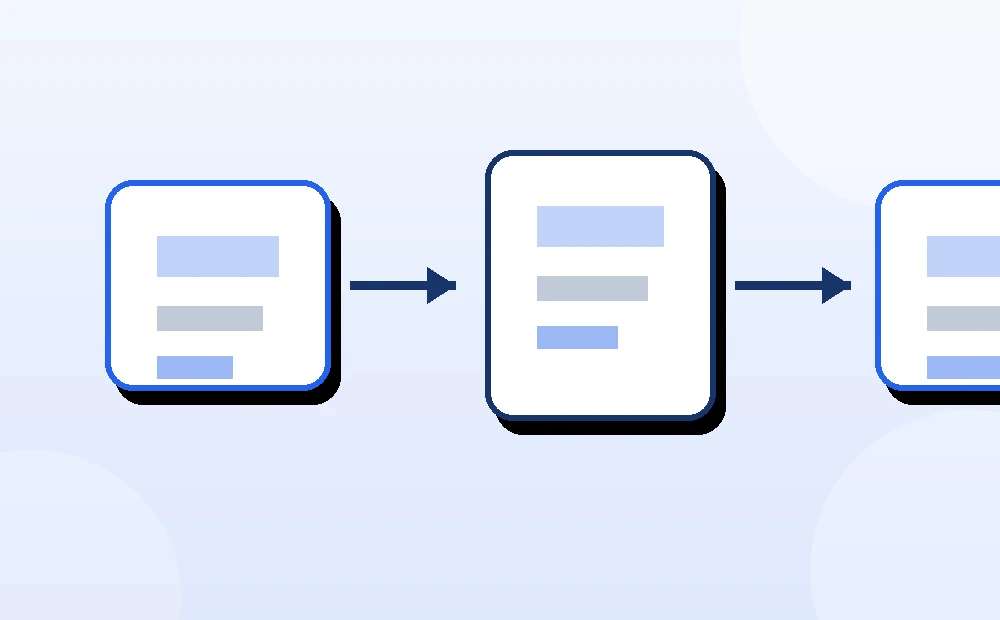
How this case usually resolves
For SharePoint, the safest order is evidence first, restore second. In a desktop Office file, that means checking the app recovery picker and AutoRecover location before saving a new version. In a cloud file, it means opening the browser version of the service and checking activity, Trash, and version history before trusting the local sync folder. In a damaged file, it means preserving the original before repair.
If time is tight, do the reversible part first: copy the current file or folder, open the web version if a cloud service is involved, and download a candidate instead of restoring over the live copy.
What this looks like in practice
A useful version is covered by a rushed edit just before a deadline. The right move is to open version history, download the promising older version as a separate file, compare the changed section, and only then decide whether to merge text or replace the current file. Restoring without that copy turns a reversible mistake into a second loss.
Match the symptom to the next check
| What you see | Best first check | Risk to avoid |
|---|---|---|
| The app crashed before a save | AutoRecover, unsaved files, and temp locations | Reopening and saving a blank replacement |
| The file was deleted from a synced folder | Web Trash or recycle bin for the cloud service | Letting the synced deletion become the only story |
| The content is older than expected | Version history and downloaded copies | Restoring over the live file before comparing |
| The file opens with errors | Duplicate first, repair only the duplicate | Damaging the only original with repeated repair attempts |
| Search finds many odd names | Sort by date, extension, and size | Opening every result and accidentally saving changes |
Common moves that cost versions
- Restoring the first visible result because the filename looks right.
- Trusting Recent files instead of checking the actual storage location.
- Opening candidates directly from a temp folder and then saving over them.
- Running third-party recovery tools before copying cloud and backup evidence.
- Waiting until cloud Trash, version history, or backup retention windows expire.
When more attempts become risky
Stop if the missing file is legally important, business-critical, the only copy of a major project, or stored on a drive that is making noise or disconnecting. Also stop if every repair attempt makes the file smaller or less readable. At that point, a clean handoff with copied candidates and notes is more valuable than another random tool.
Document the candidates you found
Before closing tabs, write down the recovery trail. Include the expected file path, the account used, the candidate names, and whether each came from recovery folders, Trash, version history, backup, or local search.
This record helps even when the recovery works. If the restored file later turns out to be incomplete, you can return to the candidate list instead of starting over. It also makes a professional handoff cleaner because the next person can see what was already checked and which version looked strongest.
Sources and further reading
- Microsoft Support: recover Office files
- Microsoft Support: view previous versions of Office files
- Google Drive Help: find or recover a file
The safe restore principle
A good recovery session keeps options alive. Copy candidates, label the source, compare calmly, and restore only when the best version is obvious.